Buying Property on the Costa Blanca North: What Buyers Should Know
Buying Property on the Costa Blanca North: What Buyers Should Know
Buying property on the Costa Blanca North is often driven by lifestyle, long-term plans, or a combination of personal use and investment. While the region offers exceptional quality of life, the buying process in Spain works differently from many Northern European countries. Understanding how the market functions, how areas differ, and how the purchase process is structured is essential for making confident decisions.
This guide explains how buying property on the Costa Blanca North works in practice, what buyers should realistically expect, and why preparation matters more than timing.
The Costa Blanca North Property Market Today
The Costa Blanca North has evolved into one of Spain’s most resilient and internationally driven property markets. Demand remains strong, supply in prime areas is limited, and pricing has stabilised into a pattern of steady, sustainable growth rather than speculative spikes.
In recent years, price increases across the region have typically ranged between 4% and 7% annually, depending on location, property type, and proximity to the coast. Well-located properties — particularly villas, apartments with sea views, and newer developments — continue to outperform the broader market.
What defines the Costa Blanca North today is not speed, but consistency. Properties that are correctly priced, legally sound, and well presented tend to sell, even in calmer market conditions.
How Costa Blanca North Is Commonly Understood
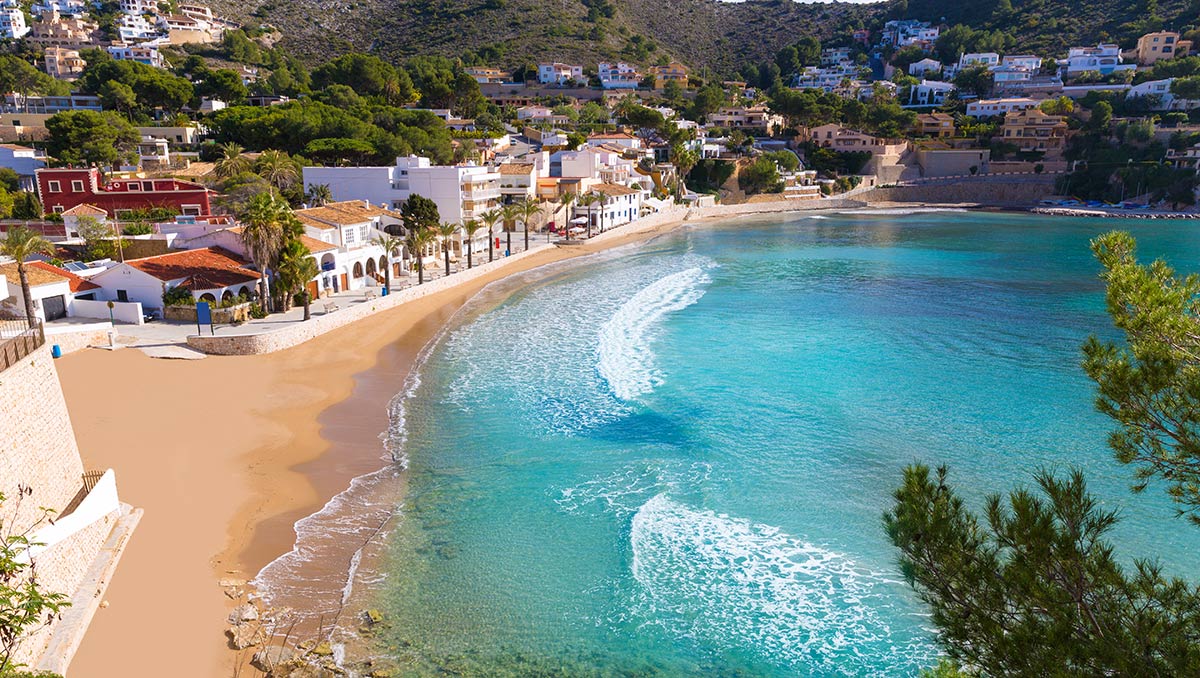
The Costa Blanca North is not defined by an official boundary, but is generally understood as the northern stretch of Alicante province, extending roughly from Villajoyosa through Finestrat, Albir, Altea, Calpe, Benissa, Moraira and up to Dénia, including Jávea and surrounding residential areas.
What unites this stretch is not geography alone, but a shared character:
-
Strong international buyer presence
-
Emphasis on residential living rather than mass tourism
-
Lower density developments in many areas
-
High demand for quality construction, views, and long-term usability
This makes the Costa Blanca North particularly attractive for buyers looking beyond short-term ownership.
Who Is Buying on the Costa Blanca North
The buyer profile has diversified significantly over the past decade.
International Buyers
Buyers from Northern Europe, the UK, Benelux, Germany, France, Poland and the Nordic countries remain dominant. Many are purchasing with the intention of extended stays, partial relocation, or future permanent residence. Legal clarity, transparent processes and professional guidance are key decision factors.
National Buyers
Spanish buyers — particularly from Madrid, Catalonia, the Basque Country and inland Valencia — have become more active. Improved infrastructure, remote work and lifestyle priorities are driving demand for second homes that may later become primary residences.
Both groups are increasingly well informed and selective, focusing less on urgency and more on long-term suitability.
Differences Between Areas Matter More Than Ever
Not all areas of the Costa Blanca North perform in the same way.
-
Established coastal towns such as Altea, Moraira, Benissa Costa, Jávea and Calpe typically show stronger price resilience and faster absorption.
-
Residential zones slightly inland may offer better value, larger plots and quieter surroundings.
-
Urban-adjacent areas provide easier access to services, schools and transport, appealing to year-round living.
Choosing the right area often matters more than choosing the perfect property on paper.
Property Types Buyers Are Focusing On
Apartments Near the Coast
Apartments close to the sea remain popular for lifestyle use and rental potential. Buyers should carefully review community rules, maintenance costs and rental regulations.
Villas and Detached Homes
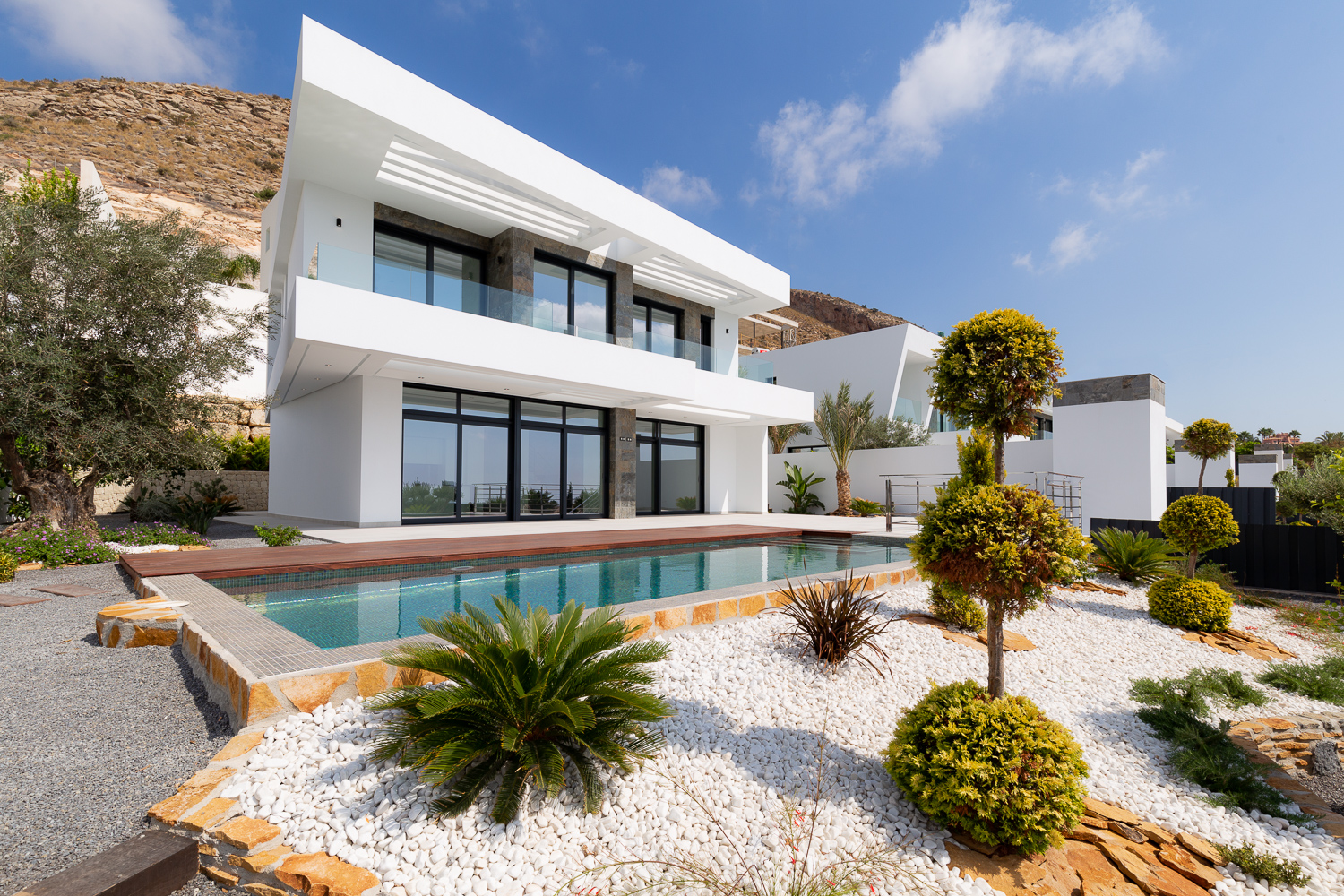
Detached villas with plots are a defining feature of the Costa Blanca North. Orientation, access, build quality and maintenance costs strongly influence long-term value.
New Builds vs Resale
New builds offer energy efficiency and modern layouts but are limited in prime locations. Well-located resale properties with renovation potential can be equally attractive when evaluated correctly.
Understanding the Buying Process in Spain
Buying property in Spain is a step-based legal process, not an informal agreement.
Key stages include:
-
Property reservation and legal review
-
Signing a private purchase contract (arras)
-
Notarial completion and registration
Buyers must obtain an NIE number, open a Spanish bank account, and ensure that all legal, urban planning and registry checks are completed before signing. This is where professional coordination becomes critical.
Costs Buyers Should Budget For
In addition to the purchase price, buyers should expect total acquisition costs of approximately 12–13%, including:
-
Purchase tax or VAT
-
Notary and land registry fees
-
Legal assistance
-
Administrative and banking costs
Ongoing costs such as IBI (property tax), community fees, utilities and insurance should also be considered early.
Risks — and How to Avoid Them
Most issues do not come from the market itself, but from:
-
Incomplete legal checks
-
Poor understanding of community rules
-
Underestimating renovation or maintenance costs
-
Relying on informal or rushed advice
These risks are significantly reduced when the process is structured, documented and clearly explained from the start.
A Market Built for Long-Term Decisions
The Costa Blanca North continues to attract buyers because it combines lifestyle appeal with structural stability. While prices are unlikely to fall significantly, the market rewards well-prepared buyers rather than rushed decisions.
Buying well is less about timing the market and more about understanding locations, processes and long-term suitability.
Explore Further
If you would like to go deeper or take the next step:
-
Real Estate Services on Costa Blanca North
https://www.coblanc.com/services/ -
Buyer Guide – How the Purchase Process Works
https://www.coblanc.com/buyer-guide/ -
Latest Listings on Costa Blanca North
https://www.coblanc.com/for-sale/relevant/
If you prefer, you can also contact me directly for a calm, no-pressure conversation about your plans.